Before You Install Solar, Read This
Solar energy is one of the smartest investments a homeowner can make in 2026. Electricity rates remain high across New England, grid reliability is under pressure, and state incentives continue to make solar financially attractive. But before you move forward with an installation, there are critical factors every homeowner should understand.
If you’re considering solar for your home in Massachusetts, New Hampshire, Connecticut, Maine, or Rhode Island, this guide will help you make informed decisions that protect your investment and maximize long-term returns.
1. Solar Is Not Just About Panels, It’s About Your Whole Energy System
Many homeowners focus on panel brands and pricing. While equipment matters, solar performance depends heavily on your home’s energy profile.
According to the U.S. Department of Energy, improving efficiency before installing renewable energy systems can reduce overall system size and cost. That means air sealing, insulation, and HVAC efficiency may have a bigger impact on your ROI than adding a few extra panels.
If your attic leaks heat in winter or your ductwork is inefficient, your solar system will offset waste rather than eliminate it.
Smart move: Start with an energy assessment before designing your system.
2. Know Your Roof Age, Orientation, and Structure Matter
Your roof plays a central role in solar performance and long-term durability.
Here’s what to evaluate before installation:
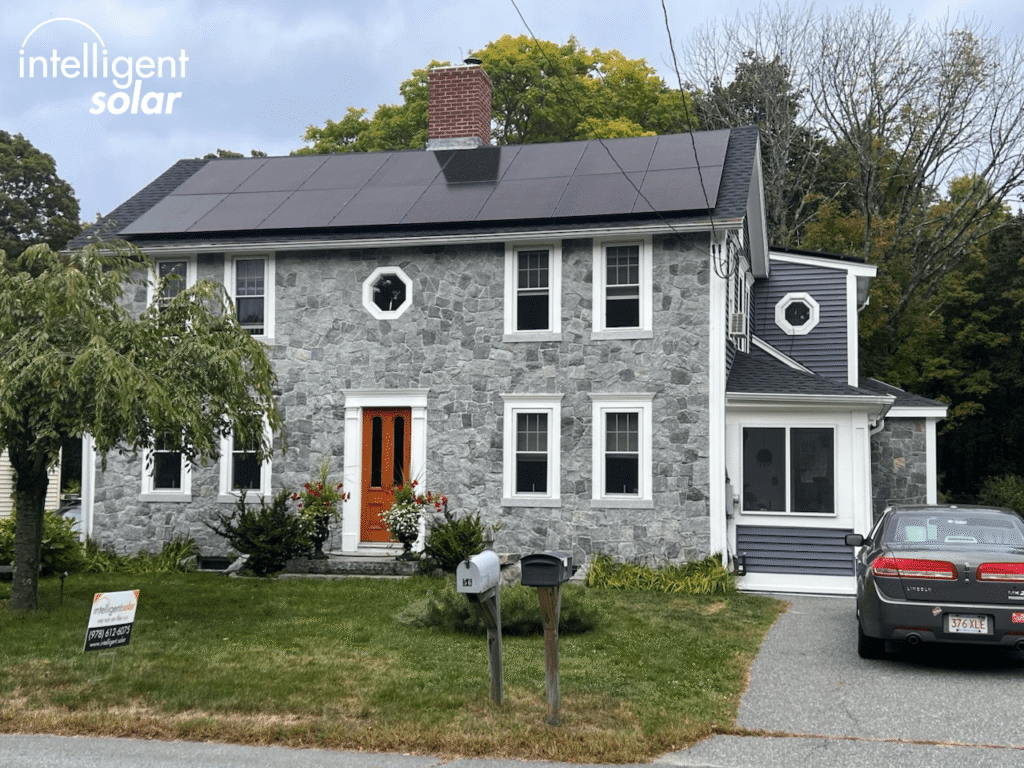
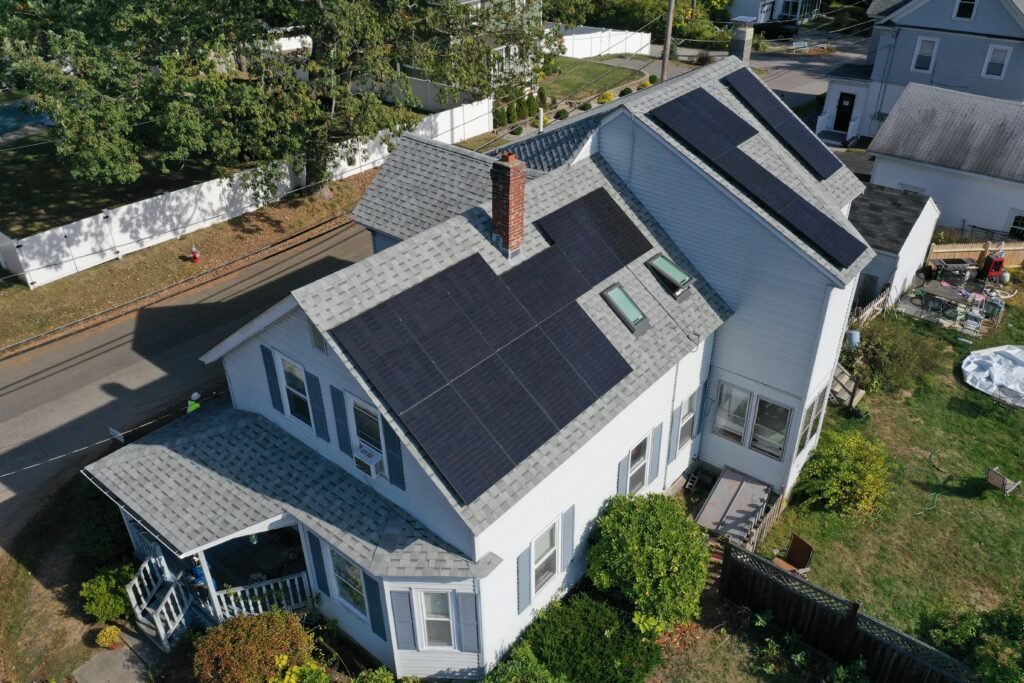
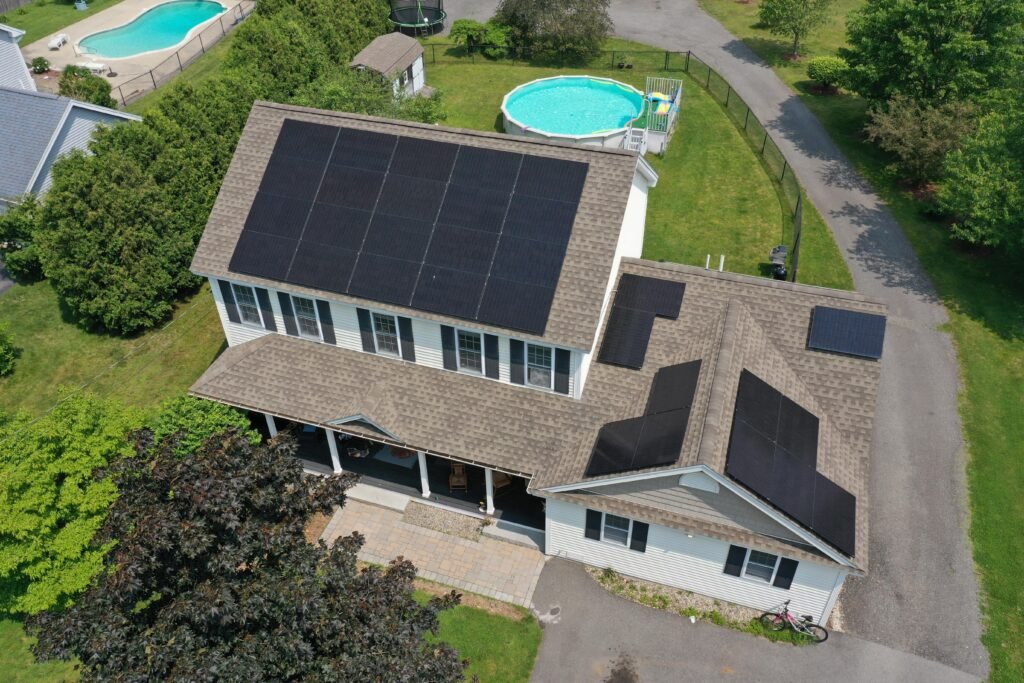
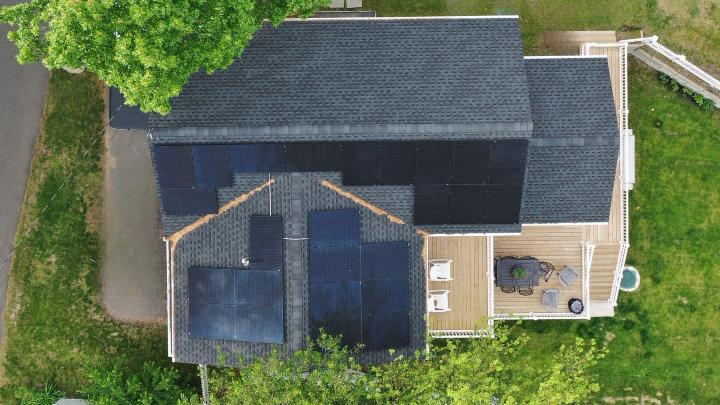
- Roof Age: If your roof has fewer than 10–15 years of life left, replacing it before solar may be more cost-effective than removing and reinstalling panels later.
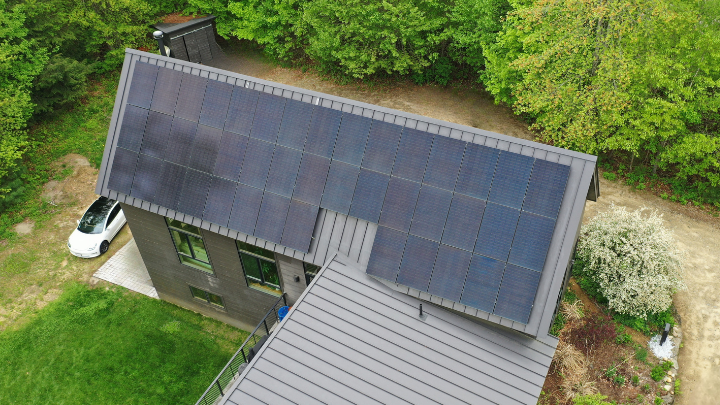
- Orientation & Tilt: South-facing roofs typically produce the most energy in New England, but east- and west-facing roofs can still perform well.
- Shading: Trees, chimneys, and nearby buildings affect production.
- Structural Integrity: Roof framing must support panel weight.
In older New England housing markets, especially in Massachusetts and Connecticut, structural reviews are particularly important because many homes predate modern building codes.
Skipping this step can lead to performance disappointments or expensive modifications later.
3. Understand Incentives But Don’t Rely on Headlines
Solar incentives remain strong in New England, but they vary by state and utility program.
The federal Investment Tax Credit (ITC), overseen by the Internal Revenue Service, allows homeowners to deduct a percentage of installation costs from federal taxes. This significantly reduces upfront expenses.
At the state level:
- Mass Save supports energy efficiency improvements that may complement solar readiness.
- NHSaves provides efficiency rebates in New Hampshire.
- Energize Connecticut offers energy efficiency incentives.
- Efficiency Maine supports qualifying upgrades.
Some states also offer performance-based incentives or net metering policies.
However, incentives change. Always verify eligibility and timelines before signing contracts.
4. Net Metering Rules Matter More Than You Think
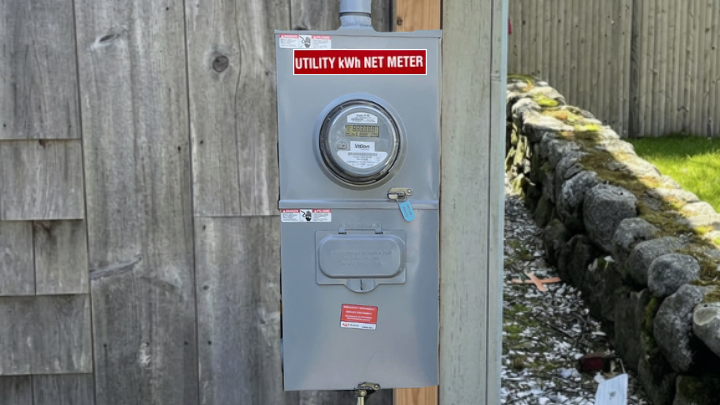
Net metering allows homeowners to send excess electricity to the grid and receive credit for it.
Policies vary across New England and can impact:
- System sizing decisions
- Payback periods
- Monthly bill structure
The U.S. Energy Information Administration tracks state-level electricity policies and rates, showing that New England electricity prices consistently rank among the highest in the country. That makes net metering particularly valuable here.
Before installation, confirm:
- Current credit rates
- Whether credits roll over month to month
- Any caps or program changes
This ensures your system is sized strategically.
5. Solar Without a Battery May Feel Incomplete
Grid instability is becoming more common. Storms, heat waves, and winter demand spikes have strained New England infrastructure in recent years.
Solar panels alone do not provide power during an outage unless paired with battery storage.
Adding a battery allows you to:
- Keep critical loads running.
- Store excess solar production.
- Reduce peak-time grid usage.
- Increase energy independence
For homeowners concerned about resilience, especially after prolonged winter outages, batteries are increasingly part of the conversation.
6. Financing Options Affect ROI
Solar can be purchased outright, financed, or structured through third-party ownership models like power purchase agreements (PPAs).
Each option affects:
- Tax credit eligibility
- Long-term savings
- Home resale value
- Contract flexibility
Buying the system outright typically yields the highest long-term savings. However, financing can reduce upfront barriers while still delivering strong returns.
Make sure you fully understand contract terms, escalation rates (if applicable), and system ownership details.
7. Solar Impacts Home Value Often Positively
Multiple housing market studies have shown that homes with solar installations tend to sell at a premium compared to similar non-solar properties.
Buyers increasingly value:
- Lower operating costs
- Energy independence
- Modernized infrastructure
In competitive New England real estate markets, documented energy savings can strengthen listing appeal.
However, ownership matters. Owned systems are generally more attractive to buyers than leased systems with transfer requirements.
8. Maintenance Is Minimal But Not Zero
Solar panels require very little maintenance. Rain and snow naturally clean most debris in New England climates. However, periodic inspections ensure:
- Wiring remains secure
- Inverters operate efficiently
- Monitoring systems report accurately
Planning for minor maintenance protects your 25+ year investment.
9. Timing Can Influence Savings
Electricity prices in New England fluctuate seasonally and year to year. Installing solar before future rate increases locks in predictable energy costs sooner.
Waiting rarely makes systems dramatically cheaper, but delaying savings always comes at a cost.
The sooner your system is operational, the sooner it begins offsetting bills.
10. Work With Professionals Who Look at the Big Picture
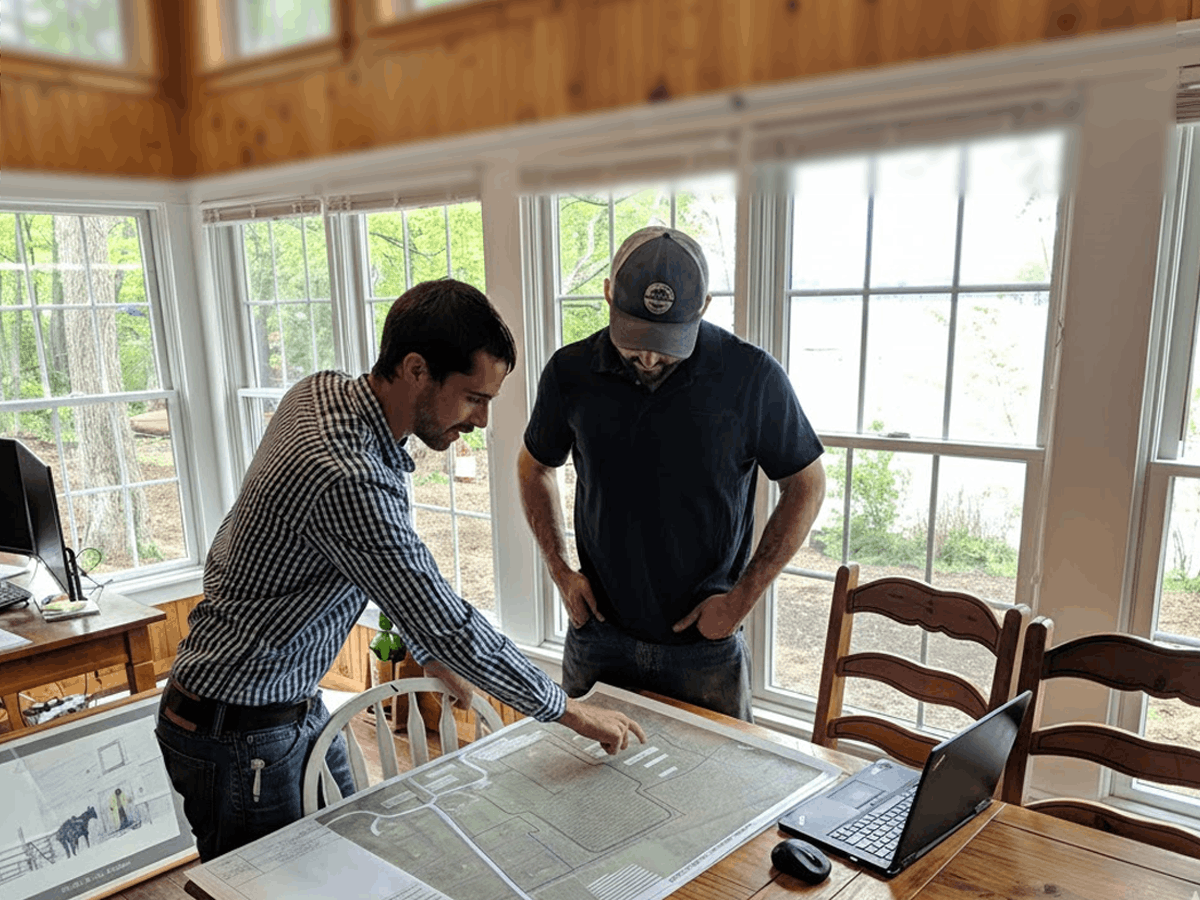
Solar is not just about installing equipment; it’s about designing a long-term energy strategy tailored to your home.
A professional evaluation should assess:
- Energy consumption patterns
- Roof condition
- Load growth plans (EVs, heat pumps)
- Incentive eligibility
- Battery integration potential
The best results come from systems designed around your future, not just your past utility bill.
Frequently Asked Questions (FAQs)
Should I replace my roof before installing solar?
If your roof is nearing the end of its lifespan, replacing it before it fails is usually more cost-effective than removing panels later.
How long does solar installation take?
Most residential installations take 1–3 days once permits and approvals are complete.
Do solar panels work during winter in New England?
Yes. Panels generate electricity in cold weather and can perform efficiently in winter sunlight.
Will solar eliminate my electric bill?
It depends on system size, usage, and net metering policies. Many homeowners significantly reduce their bills, though some fixed charges may remain.
Do I need a battery with solar?
Not required but increasingly recommended for outage protection and energy independence.
How long do solar panels last?
Most panels come with 25-year performance warranties and can continue producing electricity beyond that period.
Build Your Solar Plan the Right Way
Installing solar is a major investment, and when done correctly, it can deliver decades of savings, resilience, and increased property value. The key is planning smartly before panels ever touch your roof.
If you’re considering solar in New England, contact Intelligent Solar at (978) 472-2865 or email sales@intelligent.solar. Our team will evaluate your home, clearly explain incentives, and design a system that maximizes performance and long-term returns without surprises.