
Learn More About Getting Solar
Before choosing a solar installation partner, you have to decide if now is the time to pursue solar. There are many benefits available to those that choose to leverage the sun to power their property. There is also a lot to consider.
As you decide what it would take to bring solar power into your life, Intelligent Solar has put together resources to help you make a smart decision.
Take a look at our self-written blog articles, focusing on topics that are important to solar shoppers, as well as our convenient FAQ section to cover popular questions that may come up.
Intelligent Solar works with our clients to make smart, long-term decisions. We understand how important this step is and will not pressure you to make uninformed decisions.
Solar Still Makes Sense
Visit our blog to find our latest articles, written by our staff. Some of our most popular articles are:

Find Frequently Asked Questions where we provide answers based on others who have stood where you are.
Topics
General Knowledge
How do solar panels work?
Solar panels convert sunlight into electricity using photovoltaic (PV) cells. When sunlight hits the PV cells, it generates direct current (DC) electricity. This DC electricity is then converted into alternating current (AC) by an inverter, making it usable for homes and businesses.
How much do solar panels cost?
As of 2025, the average cost of a residential solar system in the U.S. ranges from $25,000 to $40,000 for a 8-12 KW system system before incentives. After applying the 30% federal tax credit, net costs usually fall between $10,500 and $17,500. Final prices vary based on location, installer, system size, and equipment quality.
Will solar panels work during cloudy days or at night?
Solar panels still generate electricity on cloudy days, but at reduced efficiency—usually between 10% to 60% of normal output. They do not produce electricity at night. Homeowners can install battery storage or stay connected to the grid for reliable, 24/7 power.
How long do solar panels last?
Most solar panels come with 25–30 year warranties, and many continue producing electricity for 30–40 years with a slight efficiency loss (~0.5% per year). With basic maintenance, panels remain effective well past their warranty.
Residential Solar
How do I know if my home is a good candidate for solar panels?
Ideal homes for solar have:
- South-, west-, or east-facing roofs with minimal shading
- Roofs in good condition
- Sufficient space for solar panels. If your roof isn’t ideal, ground-mounted systems.
How much money can I save with solar?
Savings depend on local electricity rates, system size, and sun exposure. Most homeowners save between $60,000 to $100,000 over 25 years. Net metering programs in many states allow for bill credits on excess energy sent to the grid.
What financing options are available for solar panels?
Common financing options include:
- Solar loans – Often with no downpayment required
- Leases and PPAs – Pay for electricity, not equipment
- Cash purchase – Best long-term savings. Customer gets all the benefits from the tax credits.
Do I need battery storage with my solar system?
Batteries are optional but useful. They store excess energy for use during power outages or nighttime. If you live in areas with blackouts or lack net metering, batteries (e.g., Tesla Powerwall, Enphase, etc.) can increase energy independence.
How long does the solar installation process take?
Physical installation takes 1–3 days. Including design, permitting, inspections, and utility approval, the full process usually takes 1–3 months.
What maintenance do solar panels require?
There is typically no required maintenance for solar panel systems. All of our customers get lifetime access to a solar panel monitoring system so they will know how their solar is performing and be alerted if any issues arise.
Do solar panels increase home value?
Will solar panels work in cold or cloudy climates?
Yes. Solar panels still function in less-than-sunny conditions and may even perform more efficiently in cold temperatures. Cloud cover reduces output but does not stop generation.
What is net metering?
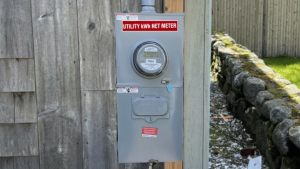
Net metering allows homeowners to send excess electricity to the grid in exchange for energy credits, which offset consumption when solar production is low.
Can I go completely off-grid?
Yes, but you’ll need:
- A larger solar array
- Battery storage system
- Optional backup generator Most homeowners stay grid-tied for backup reliability.
Most homeowners stay grid-tied because a reliable off grid system tends to be cost prohibitive. A grid tied system with battery backup to handle the occasional grid power outage is much more cost effective and provides similar reliability benefits.
What if my roof isn’t suitable for solar?
Alternatives include:
- Ground-mounted systems
- Community/shared solar programs
- Roof modifications
Will solar panels damage my roof?
No. When installed professionally, solar panels can actually protect the roof underneath and prevent weather damage.
What happens if I sell my home with solar?
Options include:
- Transferring solar ownership to the buyer
- Including the system value in the home price
- Buying out a lease or PPA
Can I add more panels later?
Yes, you can expand your system, but may need to upgrade your inverter or ensure local utility policies still favor net metering.
What happens to solar panels at the end of their life?
Panels can be recycled. Many manufacturers and recyclers now offer solar panel recycling programs.
Commercial Solar
What are the benefits of commercial solar energy?
Businesses benefit from:
- Lower utility bills
- 30% ITC and other incentives
- Accelerated depreciation (MACRS)
- Sustainability goals
- Long-term energy cost predictability
How much does a commercial system cost?
Typical costs:
- 50 kW system: $100,000–$150,000
- 250 kW system: $500,000+ Incentives can reduce these costs by 50% or more.
What tax incentives are available for businesses?
- 30% Federal ITC
- MACRS accelerated depreciation
- RECs in eligible states
- Local/state rebates (varies)
What is the payback period for commercial solar?
The typical ROI timeframe is 3–7 years, depending on:
- Electricity rates
- Incentives
- Upfront cost vs financing
Get your Free Solar Quote
Fill out the form below and our team will get back to you with a personalized quote.
Homeowner
Why go solar as a homeowner?
- Reduce your monthly energy bills
- Increase your property value
- Protect against rising utility costs
- Lower your carbon footprint
- Take advantage of tax incentives
Commercial
Why go solar as a business?
- Cut electricity costs by 50% or more
- Claim 30% tax credit plus depreciation benefits
- Increase property value with solar energy upgrades
- Lock in low rates, avoid rising power costs
- Attract eco-conscious clients and investors with solar